Pelvic Floor Awareness: Why It Matters for Movement and Core Health
Posted In
January 7, 2026
Posted On
Pelvic floor awareness is something most people don’t think about until symptoms appear. Pregnancy, postpartum recovery, pain, or incontinence often bring attention to the pelvic floor—but this system plays a role in how we breathe, stabilize, and move every day.
Developing awareness isn’t about fixing something that’s broken. It’s about understanding how your body manages pressure and movement so you can move with more ease and confidence.
Understanding the Pelvic Floor and Core System
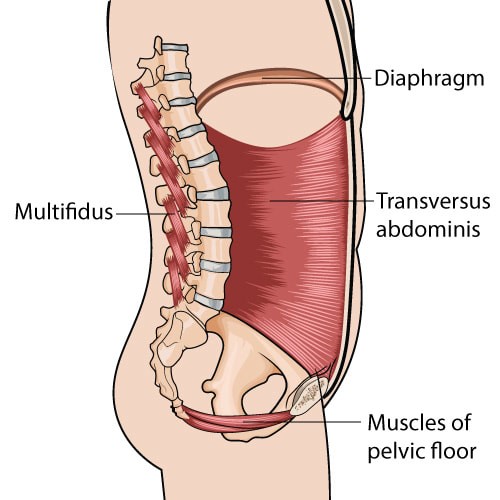
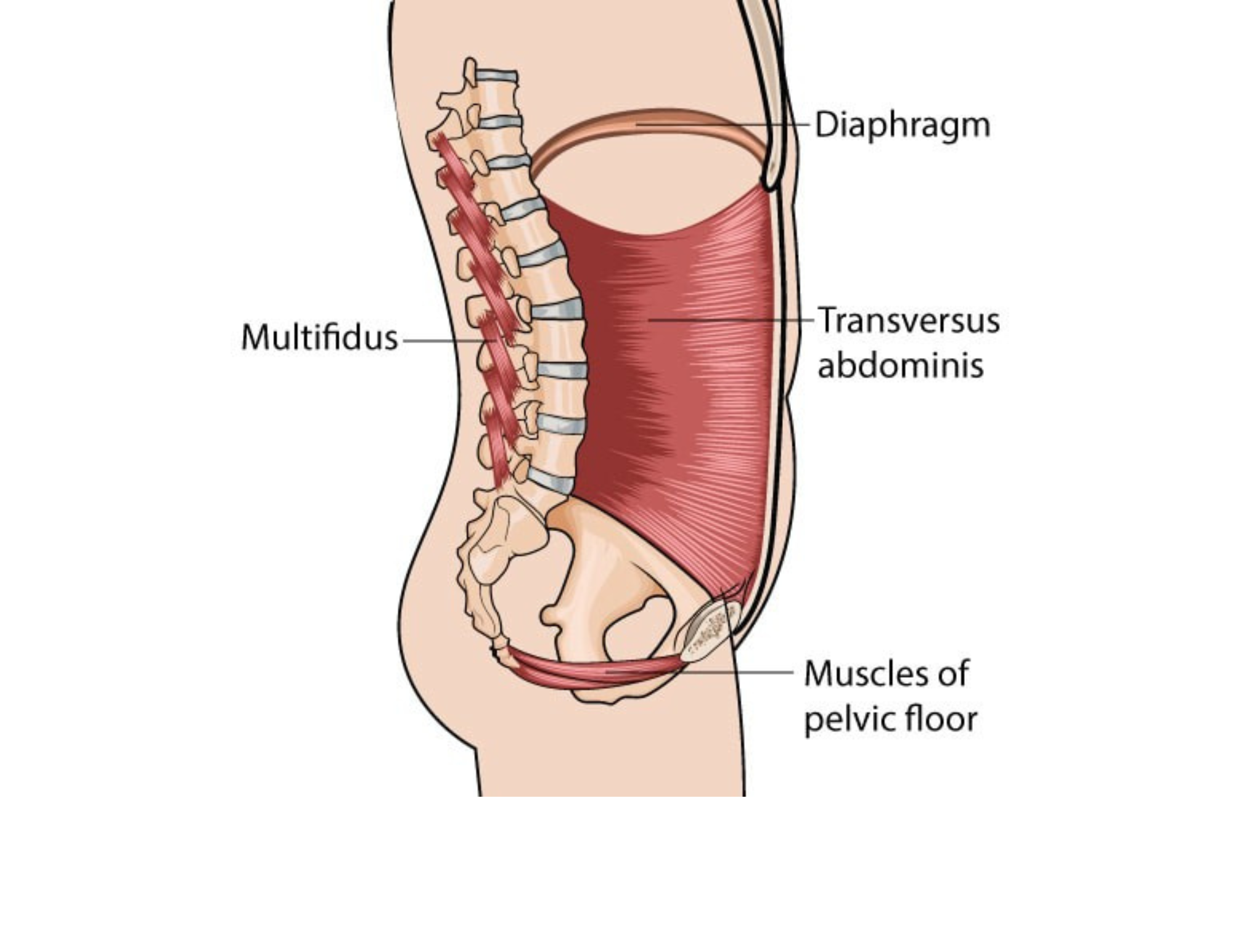
The pelvic floor forms the base of the intrinsic core stabilization system. Along with the diaphragm, deep abdominal muscles, and spinal stabilizers, it functions like a pressurized canister.
When all parts of this system coordinate well, pressure is distributed efficiently. When one area isn’t doing its job, the body compensates—and those compensations often show up far from the pelvis.
This is where pelvic floor awareness becomes important: it allows you to sense how this system responds instead of relying on guesswork.
Why Pelvic Floor Function Affects the Whole Body
When the pelvic floor isn’t functioning optimally, the body often adopts global movement patterns to compensate. That means the impact isn’t limited to the pelvis—it can affect you from head to toe.
Common issues associated with pelvic floor dysfunction include:
- Urinary or fecal incontinence
- Bowel dysfunction
- Low back, hip, groin, or pelvic pain
- Pain with sex (females) or erectile dysfunction (males)
These challenges affect both women and men, and improving coordination within the core system is often a key piece of long-term relief.
Where Pelvic Floor Training Often Falls Short
For years, pelvic floor education focused primarily on one strategy: strengthening through Kegels. While strengthening has a place, it’s only one part of the picture.
A functional pelvic floor must be able to:
- Contract when support is needed
- Fully relax to allow pressure to dissipate
- Eccentrically load, staying engaged while lengthening during movement
Without awareness of these different states, people often over-grip or under-support without realizing it.
Breath and Its Relationship to the Pelvic Floor
Breathing plays a major role in how the pelvic floor behaves.
On every inhale:
- The diaphragm descends
- Pressure increases within the abdominal cavity
- That pressure is directed downward toward the pelvic floor
A responsive pelvic floor adapts to these pressure changes without leaking, gripping, or shifting load elsewhere. Building pelvic floor awareness helps you sense and coordinate this response instead of forcing control.
How Awareness Is Built Through Movement
Rather than isolating the pelvic floor, awareness is best developed through intentional breathwork and functional movement.
This process may include:
- Learning to sense the pelvic floor during breathing
- Observing how it responds to load and position changes
- Creating space and relaxation when tension is excessive
- Integrating strength and coordination when more support is needed
This approach allows the pelvic floor to work as part of the whole body rather than in isolation.
Experience Pelvic Floor Awareness in Movement
If you’d like to explore pelvic floor awareness in a practical, movement-based way, you can take the class described here:
👉 Take the Pelvic Floor Awareness Class
https://orlandoprivateyoga.myflodesk.com/cko41mejbx
This class focuses on education and embodied learning—helping you feel how the pelvic floor lengthens, supports, and coordinates within real movement.
Looking for Individual Guidance?
If you’re dealing with pain, persistent discomfort, or movement challenges, a personalized session can help identify whether pelvic floor function may be contributing.
👉 Book a private session here:
https://orlandoprivateyoga.com/book-a-session
To learn more about my work and approach to movement and pain management, visit:
👉 Orlando Private Yoga
https://orlandoprivateyoga.com
Final Thoughts
Pelvic floor awareness is not about fixing or forcing—it’s about understanding. When you learn how your body manages pressure, breath, and movement, you create the foundation for better coordination, comfort, and confidence.
Whether you’re new to this topic or simply curious to learn more, developing awareness is a powerful place to begin.